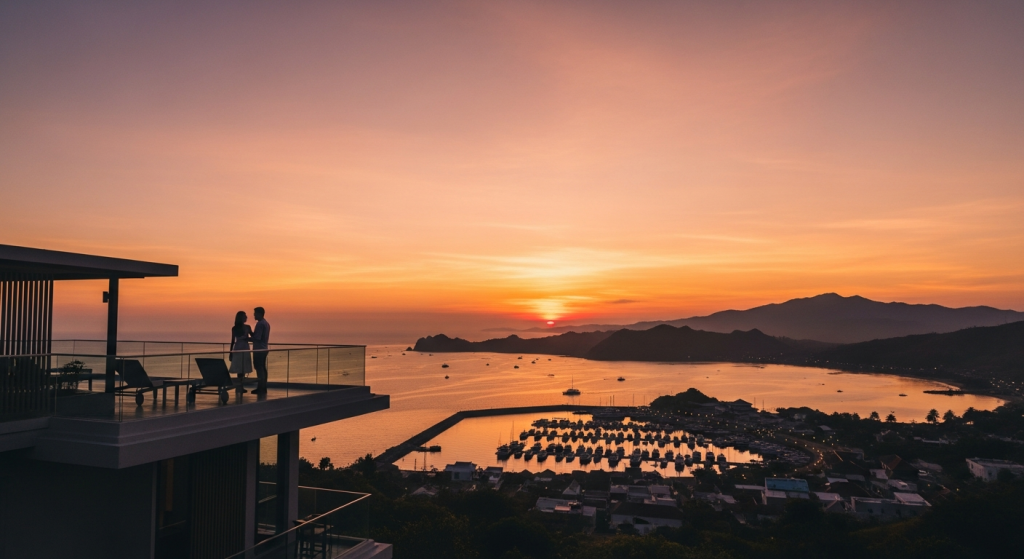
The dawn light over Flores Sea paints the Labuan Bajo harbor in shades of amethyst and gold. A gentle breeze carries the scent of salt and distant frangipani. This is Maua Labuan Bajo, a sanctuary poised at the threshold of the Komodo archipelago, where every season unfurls a distinct canvas for exploration. Understanding these climatic rhythms refines your journey, transforming a mere trip into an expertly timed sojourn.
The Dry Season: Peak Conditions for Komodo Explorations
From May through October, Labuan Bajo experiences its dry season, a period defined by consistent sunshine and placid waters. This is the prime window for maximizing Komodo National Park visits. Average daily temperatures hover around 30 degrees Celsius, with humidity levels noticeably lower than the wet season. The skies remain a brilliant azure, offering unobstructed views from your Maua Labuan Bajo suite or during a private phinisi yacht charter. Visibility for diving and snorkeling reaches its apex, often exceeding 25 meters at renowned sites like Manta Point and Batu Bolong. Marine life, including reef sharks, turtles, and diverse coral ecosystems, thrives under these stable conditions. Daily excursions to Komodo Island or Rinca Island for dragon encounters become seamless, with minimal risk of weather-related delays. The journey to Padar Island, a 1.5-hour yacht ride from Labuan Bajo, for its iconic panoramic vista is most comfortable during these months. Maua Labuan Bajo guests benefit from fast-track concierge services, ensuring efficient park entry and minimized wait times, a significant advantage during peak periods. The dry season also sees the Labuan Bajo culinary scene at its most vibrant, with waterfront restaurants and cafes bustling.
Shoulder Season: Savvy Travel Windows
April and November represent the shoulder seasons, offering a sophisticated alternative to the peak dry months. During April, the tail end of the wet season transitions into drier patterns. Expect occasional, brief afternoon showers which quickly give way to sun, leaving the landscape lush and vibrant. Ocean conditions are generally calm, suitable for daily yacht charters and diving expeditions. Visibility remains excellent, averaging 20-25 meters. Similarly, November marks the prelude to the wet season, characterized by increasing humidity but still predominantly clear days. The number of visitors typically decreases during these months, providing a more intimate experience at popular sites within Komodo National Park. This period is particularly appealing for photographers seeking dramatic cloud formations over the islands, adding depth to their compositions. Maua Labuan Bajo maintains its full suite of services, including bespoke dining experiences and private pool access, regardless of the slight shift in weather. The average sea temperature remains a balmy 28 degrees Celsius, ideal for extended periods in the water. For those prioritizing a balance of favorable weather and reduced crowds, April and November present compelling options, often with subtle variations in travel costs for flights and charters.
The Wet Season: A Different Kind of Grandeur
December to March marks the wet season in Labuan Bajo. This period, sometimes referred to as the monsoon season, introduces heavier rainfall, typically in intense bursts rather than prolonged downpours. The landscape transforms, becoming extraordinarily verdant and lush, a stark contrast to the dry season’s golden hues. While sea conditions can be choppier, making certain outer island excursions less predictable, many activities remain entirely viable. Whale shark sightings near specific feeding grounds are sometimes more prevalent during these months, though their presence is never guaranteed. Visibility for diving can reduce to 10-15 meters, yet the marine life remains abundant, presenting a unique perspective for experienced divers. Maua Labuan Bajo provides an unparalleled sanctuary during this season, with its private villas offering uninterrupted views of the dramatic, cloud-laden harbor. Guests often find solace in the resort’s 5-star amenities, from the fine dining at Wolo Restaurant to personalized spa treatments. Land-based explorations, such as visits to local markets or cultural sites in Labuan Bajo town, become a focus. The cooler temperatures and fewer tourists create an atmosphere of serene exclusivity. The Komodo National Park, a UNESCO World Heritage site since 1991, remains open year-round, adapting its tour schedules to weather conditions. For more information on the park’s status, consult UNESCO’s official page.
Marine Life Cycles and Diving Expeditions
The Komodo National Park, renowned for its biodiversity, experiences subtle shifts in marine life patterns throughout the year. Manta rays, often sighted at Manta Point and Karang Makassar, are present year-round, though their congregation numbers can fluctuate. The dry season, with its consistently clear waters, offers the most reliable conditions for optimal viewing. During the wet season, increased plankton blooms can attract filter feeders, yet also reduce visibility. Divers planning to explore iconic sites like Cauldron or Castle Rock will find the dry season provides the clearest, most comfortable conditions. Water temperatures consistently range between 27 and 29 degrees Celsius, making wetsuit choices flexible. Maua Labuan Bajo’s dive concierge service, accessible from your arrival, coordinates with certified dive operators to ensure tailored experiences, regardless of the season. They provide real-time updates on local conditions and recommend sites best suited for the day’s weather. The rich currents around Komodo, influenced by the Indonesian Throughflow, contribute to its exceptional marine diversity, supporting over 1,000 fish species and 260 coral species. This dynamic environment ensures a compelling underwater experience, even as the seasons turn. For general information on Indonesia’s diverse offerings, refer to Indonesia.Travel.
Local Events and Cultural Rhythms
Beyond natural phenomena, Labuan Bajo’s cultural calendar offers unique insights. While not dominated by large-scale annual festivals, the town observes various national and religious holidays that can influence local services and atmosphere. Eid al-Fitr and Christmas, for instance, are significant periods when local travel increases. Maua Labuan Bajo’s location on the waterfront, near Marina Komodo, places guests within easy reach of the town’s evolving culinary and artisan scene. The local fishing community’s rhythms, deeply tied to the sea, also subtly influence the harbor’s daily pulse. Understanding these local nuances allows for a deeper connection with the destination. The dry season often coincides with various regattas or sailing events in the broader East Nusa Tenggara region, drawing a sophisticated yachting crowd. Maua Labuan Bajo’s proximity to the harbor, a mere 5-minute drive, makes it an ideal base for participating in or observing such maritime activities. The resort’s private shuttle service ensures seamless transfers. The local market, Pasar Labuan Bajo, offers a sensory journey into daily life, best explored in the cooler mornings before the midday sun. Your Maua Labuan Bajo concierge provides insights into these local rhythms, offering personalized recommendations for cultural immersion.
Planning for Comfort: Maua Labuan Bajo’s Year-Round Appeal
Maua Labuan Bajo transcends seasonal limitations, providing a consistent standard of luxury and comfort throughout the year. The resort’s design, featuring 33 individual villas, each with a private pool and harbor view, ensures seclusion and indulgence regardless of external conditions. During the dry season, the private pools offer a refreshing respite after a day of island hopping. In the wet season, the villas become serene havens, where guests can enjoy the dramatic skies from their covered terraces without interruption. The resort’s comprehensive amenities include a sophisticated dining experience at Wolo Restaurant, serving contemporary Indonesian and international cuisine with ingredients sourced from local Flores farms. The Maua Spa offers restorative treatments, perfect for unwinding after a dive or a day of travel. High-speed Wi-Fi is available across the property, facilitating seamless connectivity for remote work or sharing your experiences. The dedicated concierge team assists with all arrangements, from private phinisi yacht charters to Komodo National Park to bespoke culinary tours within Labuan Bajo. This unwavering commitment to service ensures that your stay at Maua Labuan Bajo is defined by effortless luxury, irrespective of the time of year. For further insights into the region’s geography, refer to Wikipedia’s entry on Labuan Bajo.
Choosing the ideal time for your visit to Maua Labuan Bajo hinges on personal preferences, yet each season presents its distinct advantages. Whether you seek the pristine clarity of the dry season, the quiet charm of the shoulder months, or the lush drama of the wet season, your experience at Maua Labuan Bajo promises an unparalleled blend of luxury and authentic exploration. Ready to schedule your journey? Discover the refined elegance and bespoke services awaiting you at Maua Labuan Bajo. Plan your stay and let us tailor an itinerary that perfectly aligns with your desires for an extraordinary escape.